Run a transaction down the line.
Watch it reconcile.
Payments infrastructure that reconciles to the cent before it pays — not after.
Become a design partner →Run acquiring, gateway, switch, and issuing on one set of books.
StringIO is payments infrastructure for banks, fintechs, and platforms. Take only the layer you need: every layer posts to the same books, and no cycle pays out until authorization and settlement match to the cent.
Pre-GA. Taking design partners — see what runs today

acquiring · gateway · switch · issuing → one set of books, verified to the cent
Money that moves on a line that cannot drift.
layers — acquiring, gateway, switch, issuing — on one set of books
net drift — auth minus settle — at every close, or the payout holds
rails running today — SPEI (Mexico) and FedNow (US)
rails behind one call: running, in certification, built, roadmap

auth book ↔ settle book, matched to Δ$0.00
We reconcile before we pay. Not after.
Every cycle, what you authorized is matched against what the network settled, to the cent. Match: the payout goes and you get a signed record. Mismatch: the payout holds and you see exactly where it broke — today, not on the 5th.
One ledger of record, both legs
Your processor keeps its sub-ledger; your GL keeps yours; between them is drift. StringIO holds both legs on one set of books — the settle leg posts from the scheme's own clearing records, so Δ$0.00 means your book agrees with the network's, to the cent.
The close gate
Authorization and settlement have to agree to the cent before the cycle pays. A break holds the payout until it does.
Signed close certificate
Every close issues a signed certificate. Your auditor can re-verify it against the event record, independently of us.

built by people who've sat with the close
Built it. Bought it. Ran it.
Reconciled it at 2am.
Built by people who've played every role in payments — built the core, bought it, ran it, and sat with the close when it broke. That's why the gate holds the payout instead of letting you find the break on the 5th.
Money that moves on a line that cannot drift.

four layers, one line through all of them
Take only the layer you need.
Acquiring, gateway, switch, and issuing run as one engine, every layer posting to the same books. Start with the layer that hurts — whatever you take, adding the next layer never adds a reconciliation. Ganarithm, the decisioning engine, sits across all of it.
Acquiring
Become the acquirer, not a hop to one. StringIO composes the scheme message itself — ISO 8583, ISO 20022 — so gateway, switch, and acquirer run as one engine.
route · retry · reconcileGateway
Accept and route without becoming an acquirer — card-on-file, smart routing across rails, disputes. What you route is what you reconcile.
programs · lifecycle · tokenizationIssuing
Card programs on the same ledger as acquiring — credit, debit, prepaid, commercial — with a deterministic cycle close and statements that tie out.
one call · any railMoney movement
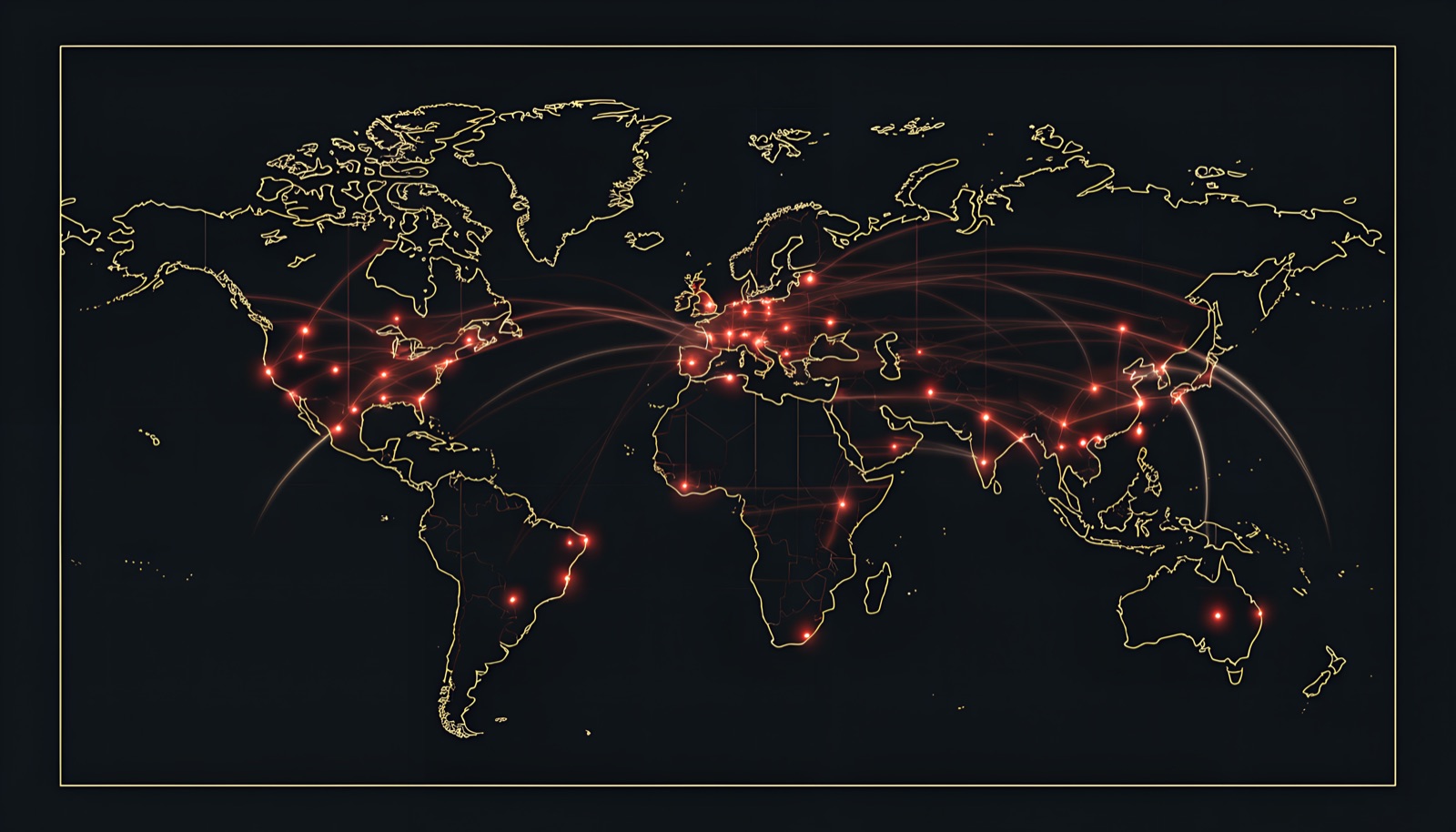
Instant, card, and batch rails behind one call, each payment routed to the rail that clears it best. SPEI (Mexico) and FedNow (US) run today.

money in, money out — the books current to the second
Revenue as you earn it. Position to the cent.
Between closes the books are live. What you've made and what you owe — settlement, payouts, rewards — exact at 11am on a Tuesday, and month-end stops being the day you find out.
Revenue, the moment you earn it
It lands on the books as it happens. What you've made is real now, not after a month-end close confirms it.
What you owe, to the cent
Settlements, payouts, the rewards and cashback you've run up — all current, any second of the day. You always know your real position.
The leak, caught now
If a number doesn't tie, you see it while it's still a fix — not in a report someone reads on the 5th.

design → simulate → tune → launch, before a real dollar rides
Know the program before you launch it.
Ganarithm is where a program starts. Design the card, run it against a simulated portfolio, and read the economics — approval rates, interchange, settlement — before a real dollar rides on it. Tune it until the numbers hold. Then launch the same program you tested, on the same books.
Design
Model the card in any configuration — interchange, fees, rewards, limits.
Simulate
Run it against a simulated portfolio and read the economics before you commit.
Tune
Adjust, re-run, compare — until the numbers hold.
Launch
The same program you tested, on the same books. In production the same engine routes, scores, and prices — every decision on the record.
instant · card · batch — one call, any rail
SPEI and FedNow run today.
Visa, Mastercard, and Amex are in scheme certification. ACH and RTP are built. Pix, SEPA Instant, and UPI come next. Every rail lands behind the same call and posts to the same books — the tenth rail closes the way the first one does.
rail status in full · what runs today
Wire a capture. Watch it tie out.
One typed API, an OpenAPI spec, SDKs in TypeScript and Java. Sandbox access is on request: ask, wire a capture, and watch the close balance. Then post a settlement that disagrees on purpose, and watch the payout hold — the fastest way to evaluate a fail-closed system is to try to make it pay wrong.
Bring us the close you run today.
Bring a real flow as a design partner, or start with sandbox keys and a capture. The cost model is set up front, and it holds.
Exec one-pager · architecture & security brief · finance close narrative — ask for any of them. NDA on request.